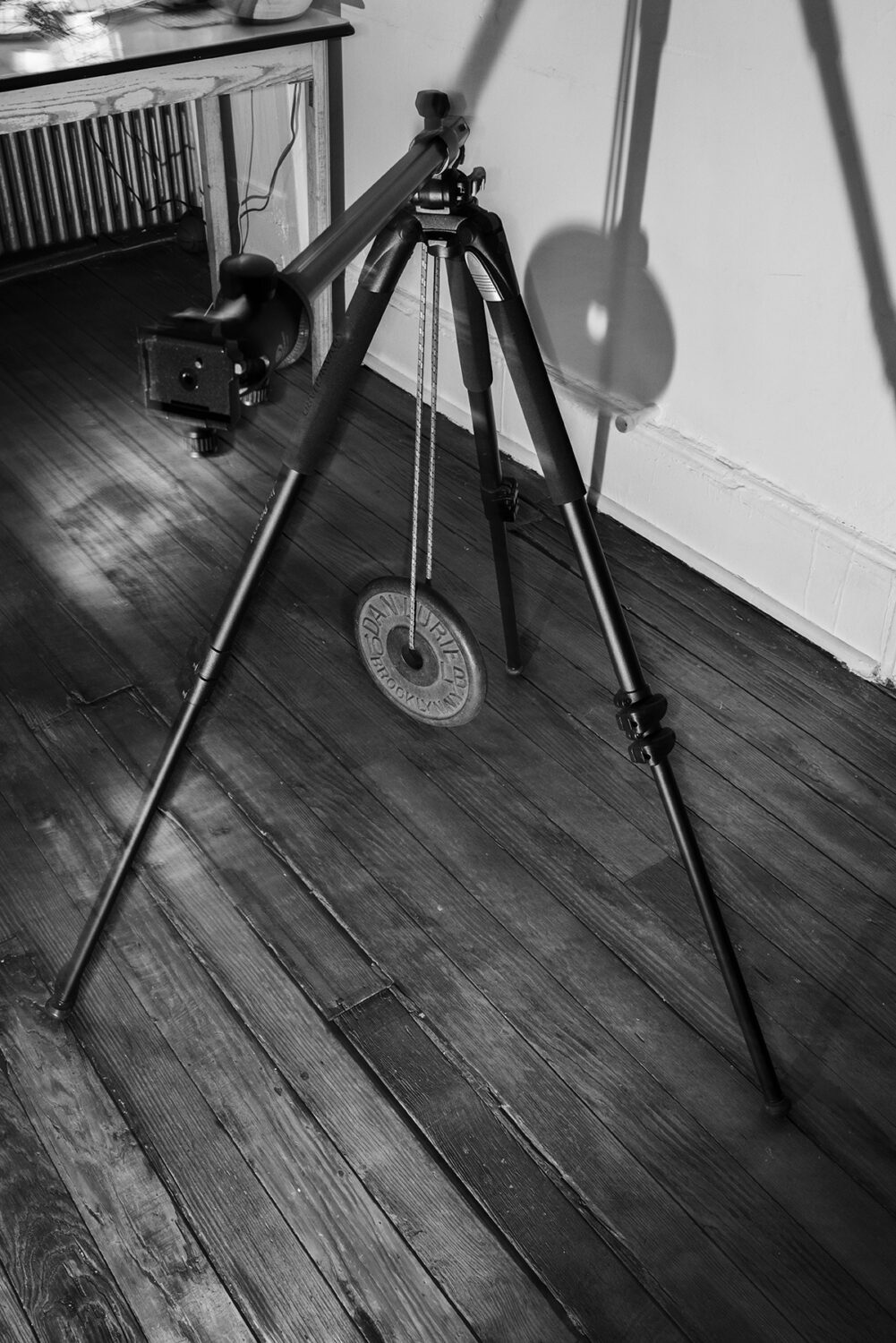
True Hole — Res Julian
Decathexis, in its simplest definition, is the feeling of letting go. The recognition that, for instance, the car is going to make impact with your body, and no, you are not wearing a helmet, and you will die. Your clothes will be cut off in the emergency room. You will be thought dead. Photos will be taken. It will be treated like a crime scene. Survival makes your body the transitional object, a term Donald Winnicott used to describe the blankies and stuffies, of children used to inspire independence. You/it dies (forensic, medicalized, fragmented, staged, scopic), you/it emerges (desiring, singular, feminine, and ideal). This new body is a monument and a memorial.
Outside of Pulse, in the immediate aftermath, mourners filled holes in the privacy fencing made to preserve the structural integrity of the boundary. Without holes, it will not hold. At some construction sites, especially in New York City, leaf-shaped holes are required by law so that the public can bear witness to creation. In Orlando, the filling of these holes, with flowers and messages for the dead, threatens to reveal, in all its entirety, that which the public is not meant to see, needless, evil destruction. In the fragile balance between visible and invisible, Julian asks viewers to consider something like Yukio Mishima’s fraught division between night and day, body and mind: “Why should [we] not be attracted by the profundity of the surface itself?” The barrier is a site of affirmation in the face of trauma, skin ravaged by survivor’s guilt, and a collective demanding historical and personal significance.
Inside of all of this is a new type of Gender Trouble. Shared symbols for political strategy are codified and usurped. The second wave’s “personal is political” has been wrung out and left like a used, dried, and disfigured mop, shaped into something more like “my body, your capital.” Within the niche world of queer photography, signifiers like top-surgery scars and binders serve as currency and markers of stratification for brands and museums alike. Julian’s gorgeous burns acknowledge this transaction, while celebrating the actual, shared, and personal liberation of no longer needing to bind his tits. The fires are durational; the moment of their capture is a conceptual threshold. In each of them is the obscenity of recognition, an effigy, and the penetrating new into the ashes of something old.
About the artist
Res Tahan Julian is an artist and educator based in Brooklyn, NY. Born in Paterson, New Jersey, Res graduated with a BA in Sociology and Studio Art from Smith College, an MFA from the Yale School of Art and a post-master’s in curatorial studies from CuratorLab at Konstfack University in Stockholm, Sweden. He is an alum of the Skowhegan School of Painting and Sculpture and his work has been supported by residencies at Baxter Street, Atlantic Center for the Arts and the Civitella Ranieri Foundation, receiving grants from the Fund for Lesbian and Gay Studies at Yale University and the Swedish Arts Grant Committee. Res was shortlisted for a Lucie Foundation Scholarship, received a Saatchi Art Rising Star Award and his book Towers of Thanks , published in 2017 by Loose Joints, was a finalist for the Lucie Photo Book Prize.
Artists
Your Notes
Record your impressions