Nov 6 – Dec 19, 2026
Kikuo Saito: Alphabet Paintings — Kikuo Saito
Open now · until 6PM
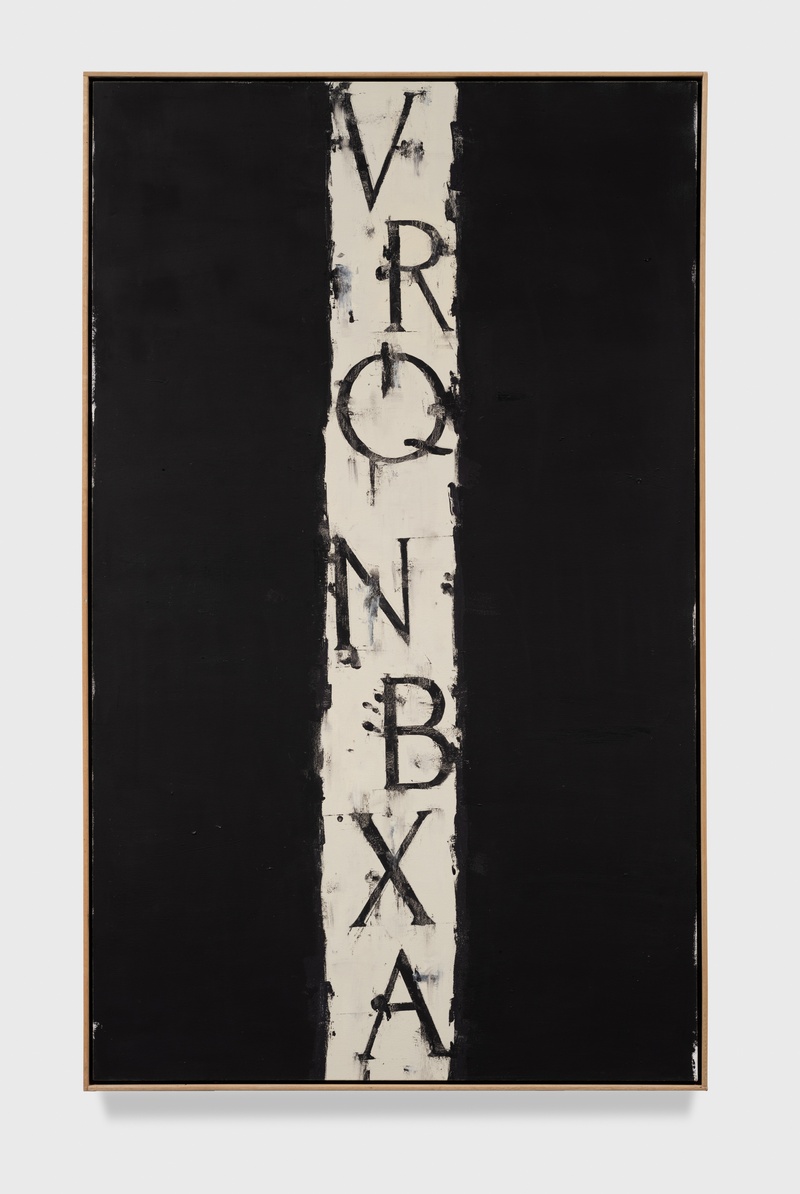
James FuentesJames Fuentes presents Kikuo Saito: Alphabet Paintings. Born in Tokyo, Kikuo Saito (1939–2016) moved to New York in 1966 and developed a singular body of abstract work in both visual art and theater. This exhibition offers a comprehensive introduction to the Alphabet Paintings, a major series produced by Saito from the 1990s to the 2010s, standing at the center of his investigation of color, form, and vision.
Before leaving Tokyo, Saito spent three years in the studio of traditional painter Kiyonaga Ito, while admiring the experiments of the Gutai group. In New York he worked as a studio assistant to central figures in Color Field painting, the vital postwar American movement that poured and spread saturated expanses of pigment across canvases. From the theater, he brought commitments to improvisation and chance operations, joining them to Color Field’s metamorphic ambitions for color. Made by an artist who arrived in New York surrounded by novel signs and symbols, the Alphabet Paintings treat their subject not as messages to read but as a powerful new world to live with and transform. James Fuentes Gallery is thrilled to present Kikuo Saito: Alphabet Paintings. Born in Tokyo, Kikuo Saito (1939–2016) moved to New York in 1966 and developed a singular body of abstract work in both visual art and theater. This exhibition offers a comprehensive introduction to the Alphabet Paintings, a major series produced by Saito from the 1990s to the 2010s, standing at the center of his investigation of color, form, and vision.
Before leaving Tokyo, Saito spent three years in the studio of traditional painter Kiyonaga Ito, while admiring the experiments of the Gutai group. In New York he worked as a studio assistant to central figures in Color Field painting, the vital postwar American movement that poured and spread saturated expanses of pigment across canvases. From the theater, he brought commitments to improvisation and chance operations, joining them to Color Field’s metamorphic ambitions for color. Made by an artist who arrived in New York surrounded by novel signs and symbols, the Alphabet Paintings treat their subject not as messages to read but as a powerful new world to live with and transform.
Works in the series each offer a gridded canvas, stenciled with letters from the Latin (or Roman) alphabet, and made with vibrating color and gestural brushwork. For paintings in the group, Saito began by painting a base color and creating a grid of 10 inch squares across the canvas. After sharing lunch at a favorite Chinatown diner, Saito's assistant would lay down hand-made cardboard stencils of letters from a box in the studio and trace them in graphite onto the blank squares of the canvas. The artist would then paint the letters and begin to develop the overall composition. The work became an orderly grid of random letters, resembling a scrambled crossword puzzle or street sign, as in Blue Chair I (1996): “A L R F U O // D E Q _ Z S.” They deliberately eschew linguistic meaning despite relying on the building blocks of written language.
The artist’s first inspiration for the Alphabet Paintings came via the stage. He served as a writer, director, and set designer in New York’s downtown scene (his work in the theater began decades before that, as a lighting designer in Tokyo’s burlesque cabarets). Saito loved the minimal, formal restraint of Noh theater, and his own stage work shared its economy. His wordless play Toy Garden (1996), for example,…
Events
Venue info
 James Fuentes
Website
Hours
Open now · until 6PM
MonClosedTue10AM – 6PMWed10AM – 6PMThu10AM – 6PMFri10AM – 6PMSat10AM – 6PMSunClosed
Loading notes…