Nov 6 – Nov 28, 2026
David Higginbotham
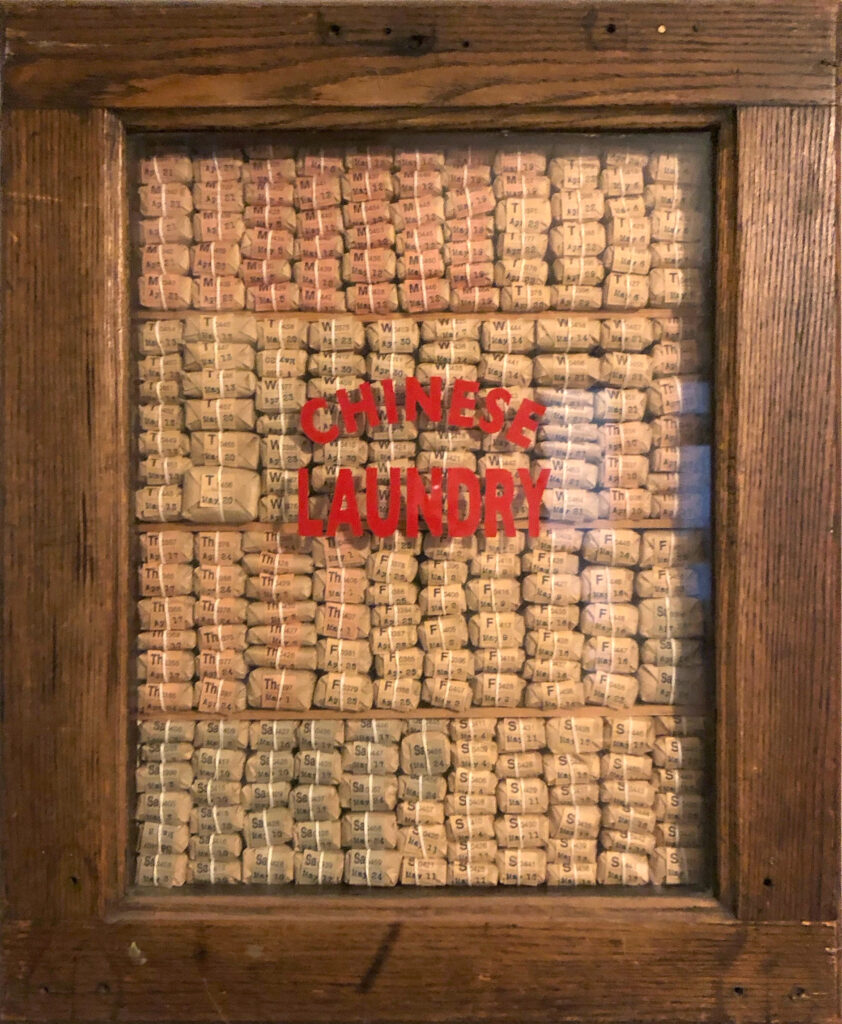
In The Human Condition Hannah Arendt describes the artist as, strictly speaking, the only “worker” left in a laboring society. David Higginbotham’s multidisciplinary practice is a prime example. His collages, assemblages and montages explore the boundaries of what material thinking can produce.
It is a pertinent moment to examine his work. The division of labor, “chunking” human physical activities into discrete, repeatable operations, enabled the industrial revolution. The fragmentation took the first steps towards reducing human work to labor within production. Artificial intelligence now extends the same logic to mental activity, and machines reach into every corner of our lives, further contracting our agency.
Higginbotham’s fluent use of material from other artists’ work—from photographs to etchings to crafted reproductions—and everyday artifacts into new compositions, proposes a different kind of “chunking”. Where AI appropriates human work wholesale, his compositions celebrate the contingent character of craftsmanship: the human touch, the decision that no procedure can predict.
There is therefore both a historical and a projective quality to Higginbotham’s work. The references to the work of others, many of them immediately recognizable, and everyday objects—some of them extinct—combined with his command of traditional art materials and techniques provide the historical perspective. The open, contingent quality of the compositions, however, have us wonder what it might mean to be human a few decades, or even years, from now.
This duality makes his art at once more legible and more provocative. It is as if he had merged Marshall McLuhan’s definitions of hot media—high in definition, saturated with information—and cool media—low in definition and open to the viewer’s participation. Every piece bears homage to its references and techniques while opening our imagination to new possibilities and a reflection on the future of art and what it means to make it.
Higginbotham holds a bachelor’s degree in philosophy and his practice carries that training into the continuous work of rethinking and remaking the world around him. Throughout his work, intellect meets practice, and every object he touches bears witness to an approach in which mind and matter take turns leading the hand.
Events
Venue info
33A GalleryWebsite
Hours
Fri & Sat 3–6pm
Show page
Loading notes…